Skyroot Aerospace has announced the launch window for Mission Aagaman, the maiden flight of its Vikram-1 launch vehicle. Scheduled between July 12 and August 4, 2026, the mission is expected to become the first attempt by an Indian private company to place satellites into orbit.
Read here: Innovations that made Skyroot India’s first space-tech unicorn
The launch will take place from the Satish Dhawan Space Centre, Sriharikota, marking a milestone not only for Skyroot but also for India’s rapidly evolving commercial space ecosystem. The Innovators Jam decodes how this mission will launch India’s space-tech aimbitions here:
Vikram-1: A rocket built for the new space age

Vikram-1 is a three-stage orbital launch vehicle designed to carry payloads of up to 350 kilograms into Low Earth Orbit (LEO). While its payload capacity targets the growing small-satellite market, the maiden mission is primarily about proving the rocket itself.
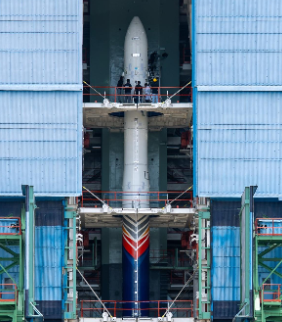
Mission Aagaman will validate the vehicle’s propulsion systems, stage separation, guidance and navigation, flight software, and overall mission performance under real launch conditions. The rocket will also carry a mix of domestic and international payloads, demonstrating commercial readiness from day one.
Mission Aagaman: A new chapter beyond ISRO
For decades, India’s orbital launches have been synonymous with ISRO. But the country’s space story has been changing rapidly since the government opened the sector to private participation in 2020.
Today, startups are designing launch vehicles, manufacturing satellites, building propulsion systems, and developing downstream space applications. Skyroot has emerged as one of the most closely watched players in this new ecosystem
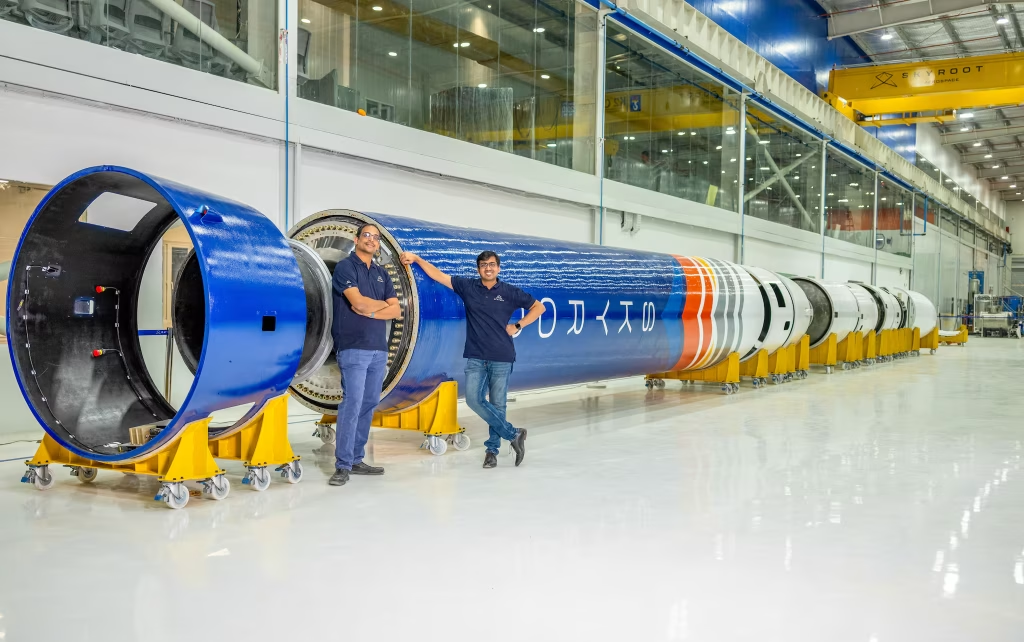
Mission Aagaman represents the first real opportunity to demonstrate that an Indian startup can independently develop and operate an orbital-class launch vehicle.
Vikram-1 launch:At the right time
The global demand for launching small satellites continues to grow as governments, research institutions, and private companies deploy constellations for communication, Earth observation, navigation, climate monitoring, and defence applications.
If Vikram-1 performs as planned, Skyroot will be well-positioned to compete in this expanding commercial market. It would reinforce India’s ambitions to become a preferred destination for affordable and reliable satellite launches.
For investors, policymakers, and entrepreneurs, a successful flight would validate years of reforms aimed at opening India’s space sector to private enterprise.
The Innovators Jam take:
Mission Aagaman is a test of India’s private space ambitions. A successful Vikram-1 launch would prove that Indian startups are ready to compete in the global launch market, not just participate in it. One rocket won’t define the future, but it could ignite an entire industry. Will this be the launch that finally puts India’s private space sector into orbit? Vote here:
Found this article interesting? Subscribe to The Innovators Jam for news, views, and write-ups on innovation, science and research.
Follow us on Instagram @theinnovatorsjam, Youtube @InnovatorsJam, LinkedIn @ The Innovators Jam






We would love to hear from you. Leave your reply here.